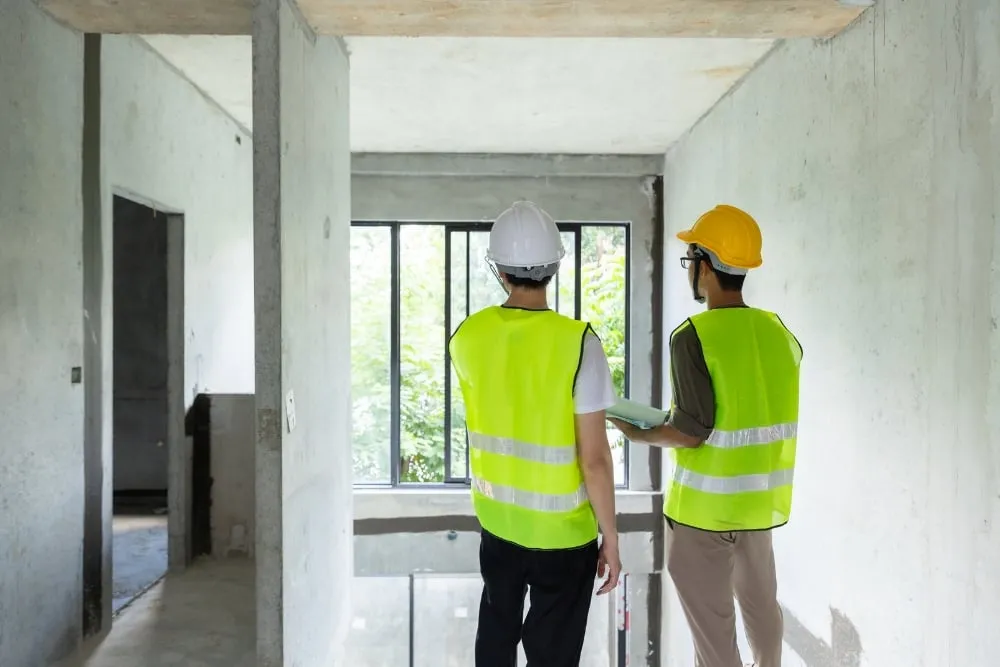
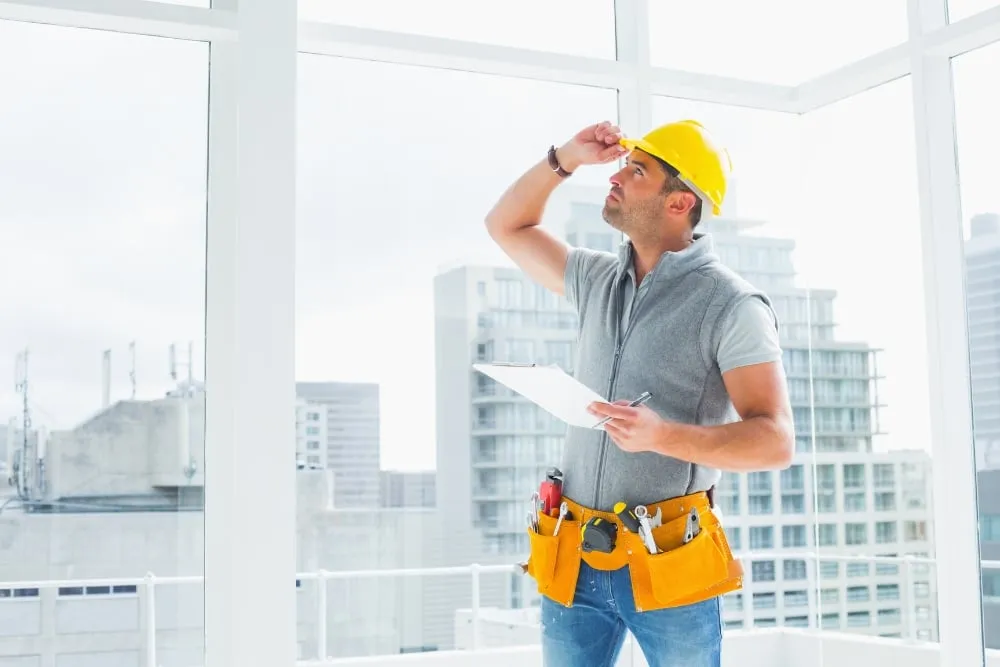
Investing in property is a significant financial commitment that requires careful stewardship to maintain its value and functionality over time. Whether you own residential or commercial real estate, regular building inspections are crucial for identifying issues early, ensuring structural integrity, and preserving your investment’s long-term value.
Early Detection and Prevention
One of the primary reasons for conducting regular building inspections is early detection of potential issues. Structural weaknesses, water damage, pest infestations, and electrical faults are among the many problems that can quietly develop within a building. Left unchecked, these issues can escalate into costly repairs or compromise the safety of occupants. Inspections conducted at regular intervals allow for proactive maintenance, addressing minor concerns before they evolve into major headaches.
Ensuring Structural Integrity
The structural integrity of a building is paramount to its safety and durability. Regular inspections by qualified professionals can identify signs of wear and tear, foundation problems, or structural weaknesses that may compromise the building’s stability over time. Timely repairs and reinforcement based on inspection reports can prevent structural failures and ensure the building remains safe for its occupants.
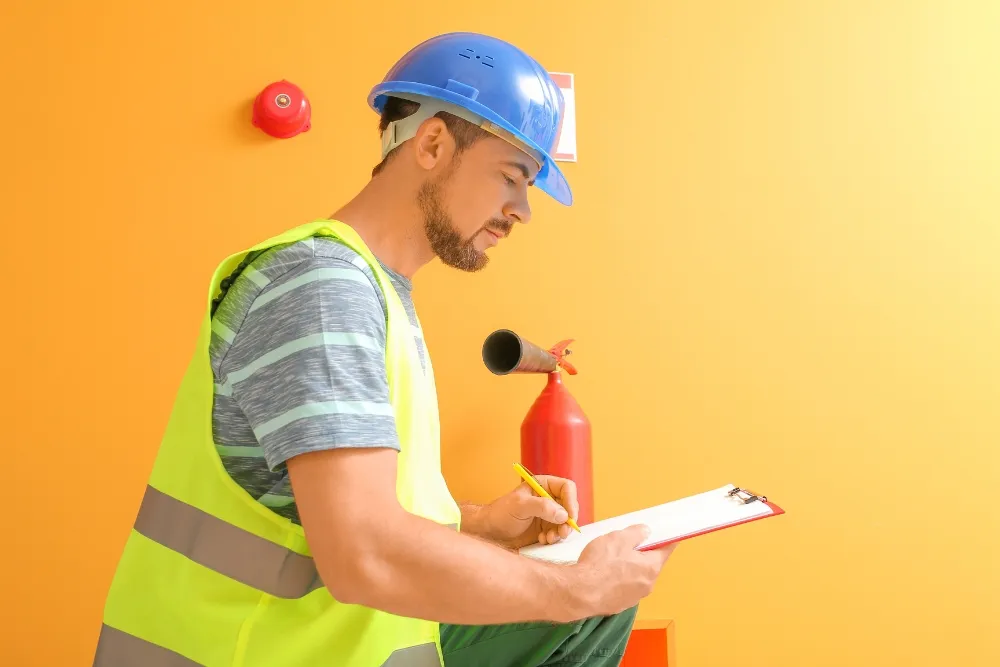
Preserving Property Value
Property values fluctuate with market conditions, but proactive maintenance can help mitigate depreciation caused by neglect. Regular inspections provide an opportunity to assess the overall condition of the property and address any aesthetic or functional issues that could detract from its market appeal. A well-maintained building not only retains its value but also enhances its attractiveness to potential buyers or tenants.
Compliance and Legal Requirements
In many jurisdictions, regular building inspections are mandated by local regulations or insurance policies. Compliance with these requirements is essential to avoid penalties or invalidate insurance claims in the event of a disaster. Additionally, adherence to building codes and standards ensures that the property meets safety and environmental guidelines, safeguarding both occupants and the broader community.
Energy Efficiency and Sustainability
Building inspections often include assessments of energy efficiency and sustainability practices. Identifying areas where energy is wasted or where sustainable improvements can be made not only reduces operational costs but also aligns with modern environmental standards. Inspections may uncover opportunities for upgrades such as insulation improvements, energy-efficient appliances, or renewable energy installations, which can enhance the building’s marketability and reduce its carbon footprint.
Consulting a Professional Where Required
While property owners can conduct visual inspections themselves, certain aspects require expertise. Engaging qualified building inspectors or structural engineers ensures thorough assessments of critical components like foundations, electrical systems, plumbing, and HVAC (heating, ventilation, and air conditioning). These professionals have the tools, knowledge, and experience to detect hidden problems and provide accurate recommendations for repairs or improvements.
Investing in Long-Term Value
Regular building inspections are not merely a precautionary measure but a strategic investment in the longevity and value of your property. By detecting issues early, ensuring structural integrity, complying with legal requirements, and enhancing energy efficiency, property owners safeguard their investment against depreciation and ensure the safety and comfort of occupants. Prioritising regular inspections demonstrates responsible property management and sets a standard for sustainability in the built environment. In an era where sustainability and efficiency are paramount, proactive maintenance through regular inspections is a cornerstone of successful property ownership.